





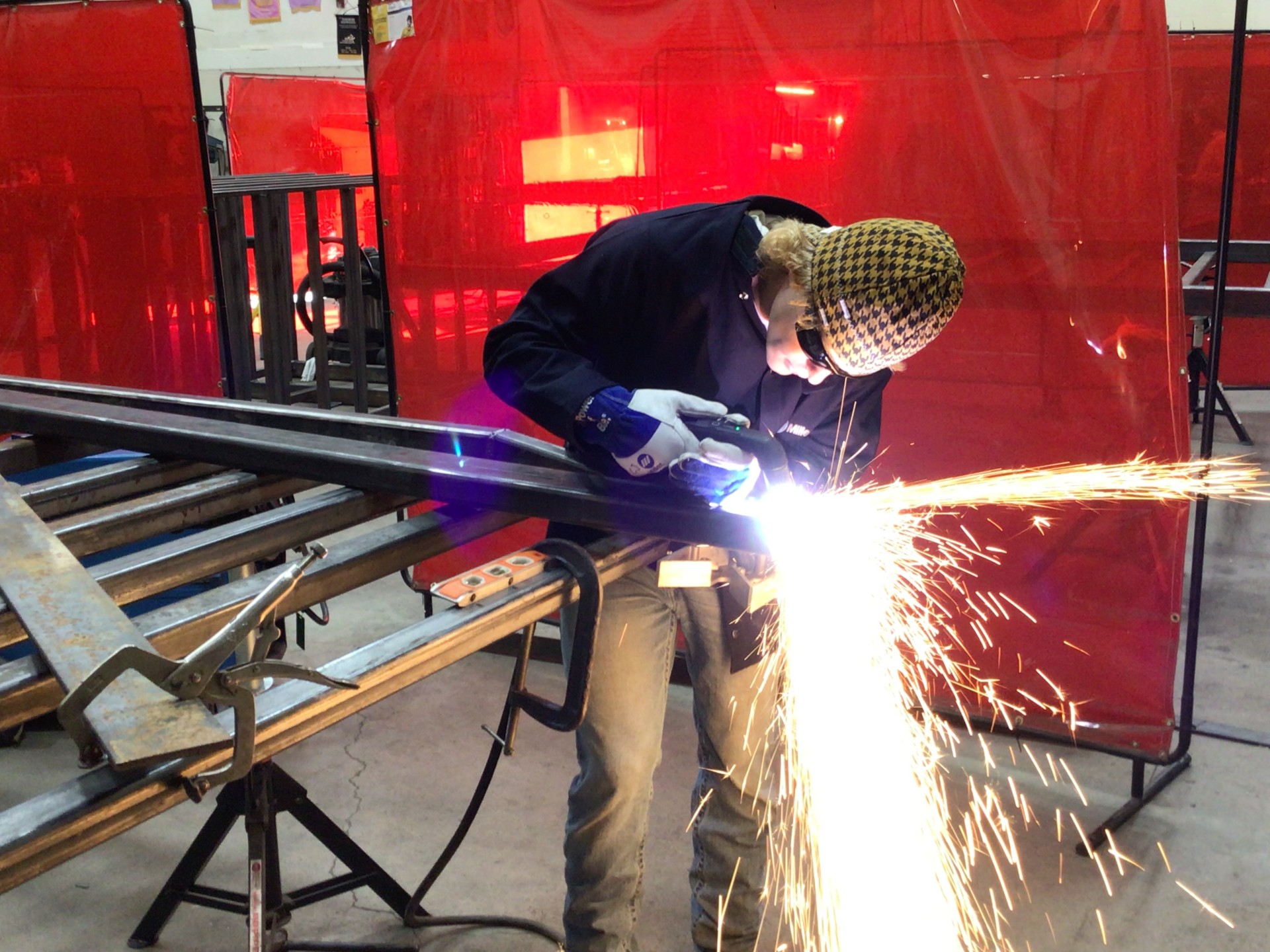
According to Wylie High School’s Agriculture Department Head Cody Smith, the Agricultural Technology and Mechanical Systems classes have been offered since the early 2000s at Wylie High School. Twenty years later and, now with a new, beautiful building, the Career and Technical Education (CTE) program is doing well, and the students are doing even better. Here is a quick rundown.









A Hands-On Haven
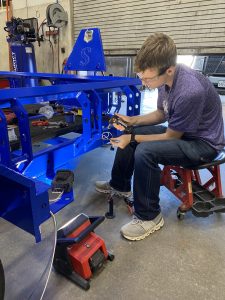
“Taking Agricultural Mechanics offers students significant advantages, including the development of hands-on technical skills in welding, fabrication, and electrical systems,” said Smith. “It bridges the gap between academic theory and practical application, providing valuable skills for both professional careers in the agricultural industry and personal self-reliance.”
While in class, students learn a variety of skills that range from general hands-on skills in repairing, maintaining, and fabricating agricultural machinery, structures, and systems to more specific skills that will enable them to be productive in today’s industry.
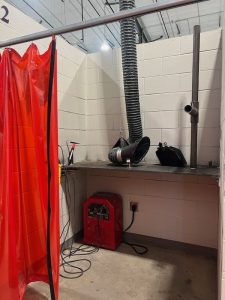
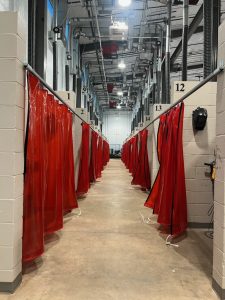
Some of the basics that the courses include Oxy/Acetylene cutting, SMAW (Shield Metal Arc Welding), GMAW (Gas Metal Arc Welding), and FCAW (Flux Core Arc Welding). In addition to learning skills, the courses instill safety and provide experiences for work beyond the classroom.
“These courses emphasize safety and provide experience for careers in agriculture,” said Smith. Students also receive an Industry-Based Certification through this program, which includes AWS D9.1 SheetMetal Welding and D1.1 Structural Steel.
No Experience Required
While Ag Mechanics seems complicated, taking the class is much easier than you would think.
“There are not any skills necessary for the classes,” said Smith. “Honestly, most students that walk into my class have never had any experience with welding or oxy/acetylene. The only pre-req we require is for students to take our Principles of Agriculture, Food and Natural Resource class.”
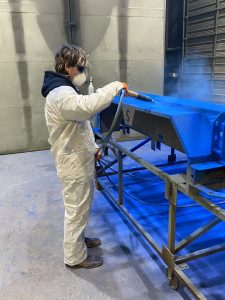
As for expenses to participate, it’s pretty minimal, especially if you were to compare it to playing sports. Smith said there is a course fee that covers safety equipment in class, but outside of that, students only need to provide their own welding gloves and welding clothes, which Smith said consists of a long sleeve shirt, denim jeans, and closed toe leather shoes or boots.
“Welding hoods are provided, but a lot of students do purchase their own to have,” added Smith.
Sign Me Up
Are you chomping at the bit? Well, hold your horse because Ag Mechanics does require one year of high school first. However, once a student begins, he/she has ample opportunity to gain experience and skills all the way through their senior year. “We offer Ag Mechanics & Metal Technology which is primarily for our sophomores, then we get into Ag Structures and Ag Equipment and Fabrication, which both are geared to juniors and seniors,” said Smith.
“We do offer a Practicum I and II to our more advanced students, which would be juniors and seniors.
Practicums I and II are also dual credit with the students earning hours for Cisco Jr. College.”
Competing with Skills
In addition to gaining knowledge and skills applicable in the workforce, students also can select to compete.
“There are some outside activities for students to be involved in, but these are optional,” said Smith. “Students can participate in our FFA Chapter, which will allow them to
compete on Leadership Development Event Teams, Career Development Event Teams, and our Ag Mechanics Teams.”
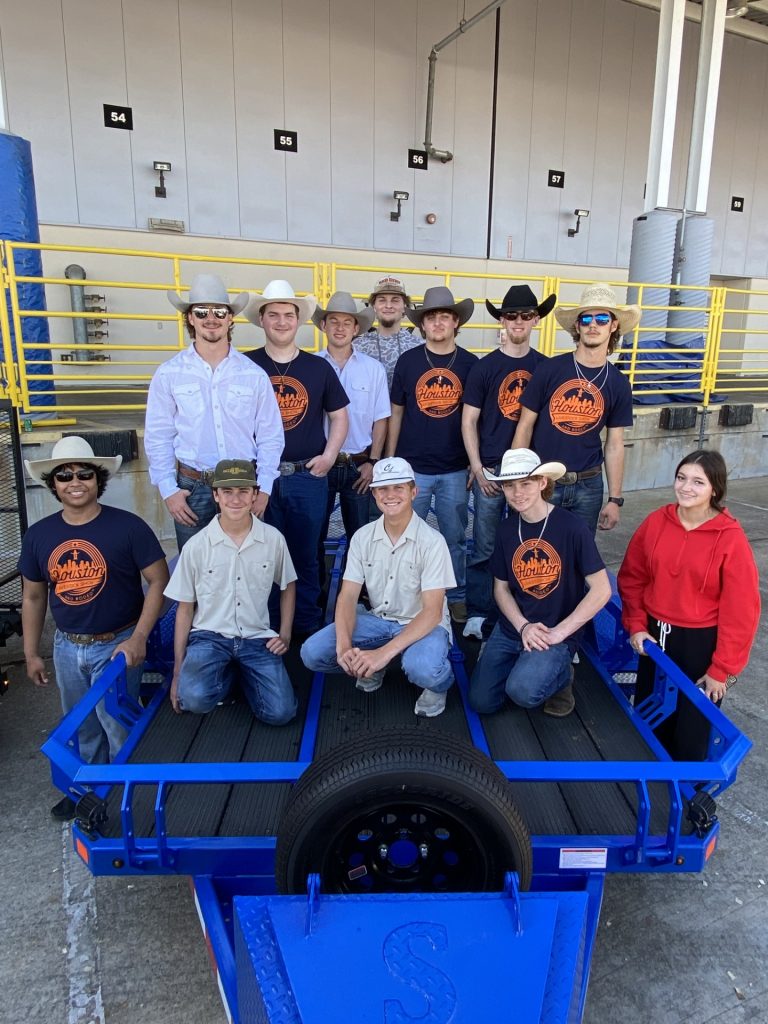
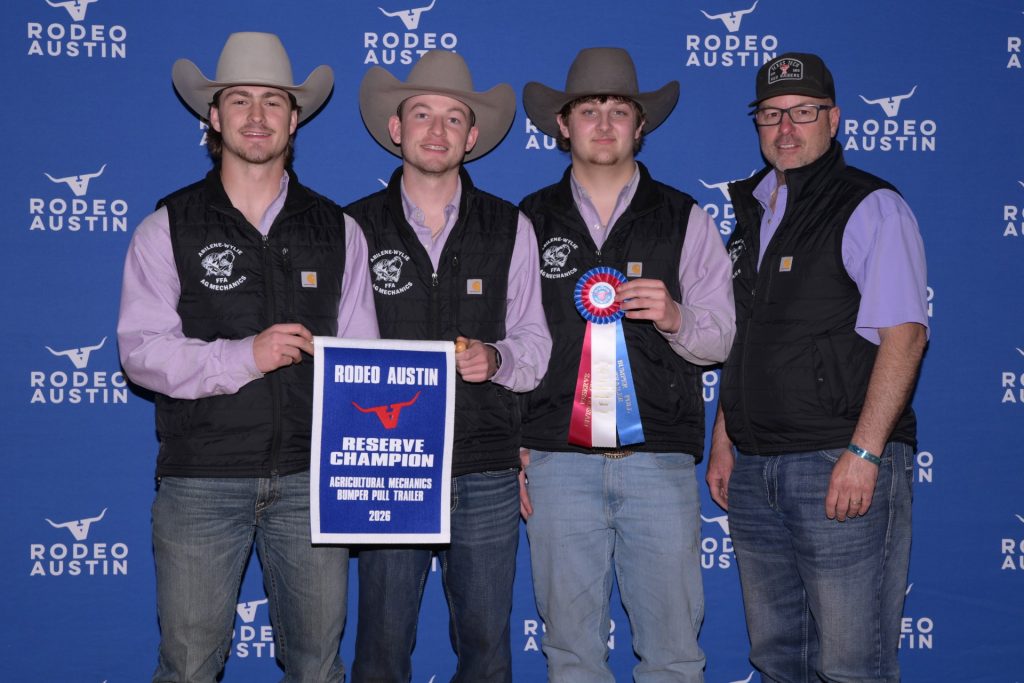
Wylie has been competing since 2008 at livestock shows and rodeos around Texas.
